


Exposition « Ella Maillart – Récits photographiques »
ENGLISH VERSION BELOW (translated into English by my ex-wife, a professional translator)
En visitant aujourd’hui l’exposition « Ella Maillart – Récits photographiques », présentée à Photo Elysée (Plateforme 10), à Lausanne, jusqu’au 1er novembre 2026, je souhaite également rendre hommage à toutes ces femmes francophones qui, à un moment de leur vie, ont consacré leur voix, leur plume, leur art, leur engagement ou leur action au Tibet, à son peuple, à sa terre, à son histoire, à sa culture, à ses droits, à sa démocratie, à son identité, à sa cause ou encore à sa spiritualité.
Je les ai lues, je les ai écoutées. Certaines, j’ai eu la chance de les rencontrer ; avec quelques-unes, j’ai même noué des liens d’amitié fraternelle.
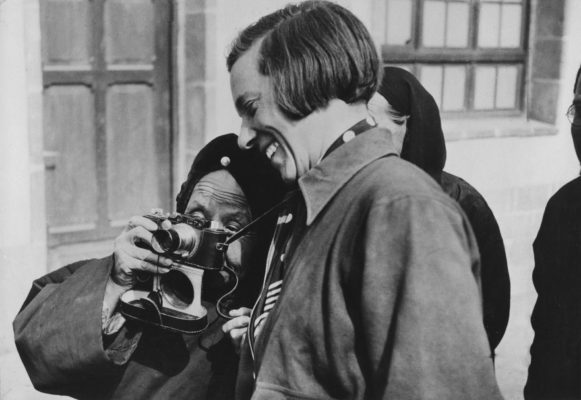
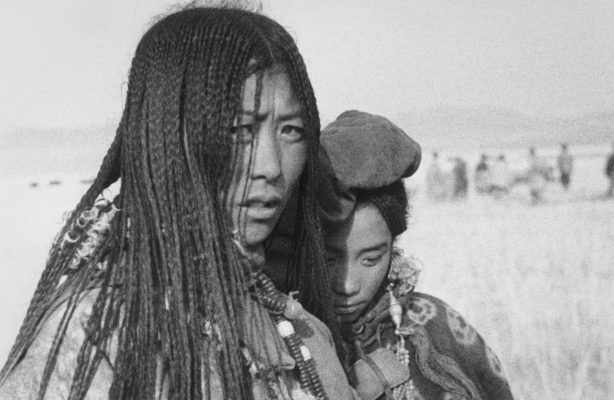
Ella Maillart (1903-1997), grande voyageuse, écrivaine et photographe genevoise, compte naturellement parmi elles. À travers ses voyages et ses photographies, elle a saisi quelque chose de profond de l’Asie centrale et de ses peuples.
Sa relation avec le Tibet et le peuple tibétain ne se résume toutefois ni au voyage ni à la découverte. Elle s’inscrit aussi dans une quête humaine et spirituelle, puis, plus tard, dans le témoignage qu’elle porta sur le sort des réfugiés tibétains.
Après le soulèvement tibétain de 1959 et l’exil du Dalaï-Lama, Ella Maillart se rendit au Népal. Elle y fut témoin de l’arrivée de Tibétains fuyant leur pays et l’oppression. De retour en Suisse, elle témoigna de ce qu’elle avait vu, notamment lors d’entretiens accordés à la Radio Télévision Suisse en 1959 et en 1961. Elle y dénonçait sans détour l’impérialisme chinois, tout en soulignant la force intérieure d’un peuple qui, malgré l’exil et le déracinement, s’efforçait de préserver sa foi, sa culture et son identité.
ཨེ་ལ་མཱ་ཡར་ ༼Ella Maillart, en transcription tibétaine༽ ལགས་སུ།
བཀྲིས་བདེ་ལེགས་དང་ཐུགས་རྗེ་ཆེ་ཞུ།
À Ella Maillart,
Tashi Delek et merci !
ངས་གོ་སྐབས་འདི་བརྒྱུད་ནས་ཨེ་ལ་མཱ་ཡར་ལགས་སུ་ཚིག་འཕུལ་བ་ལྟར། བོད་དང་བོད་མི་རིགས་དང་འབྲེལ་བ་ཡོད་པའི་ཕ་རན་སིའི་སྐད་ཡིག་གི་བུད་མེད་འདི་དག་ལ་གུས་འདུད་དང་ཐུགས་རྗེ་ཆེ་ཞུ་རྒྱུ་ཡིན།
Je profite de ces quelques mots adressés à Ella Maillart pour rendre également hommage à toutes ces femmes francophones qui, chacune à sa manière, ont été liées au Tibet et au peuple tibétain. Je prie bien sûr celles que je n’ai pas pu citer de bien vouloir m’en excuser…
Alexandra David-Néel
L’audacieuse exploratrice qui entra à Lhassa en 1924 et contribua, par ses récits et ses travaux, à faire connaître le Tibet et sa spiritualité au public européen.
Brynhild Helander-Ortoli
Orientaliste et polyglotte, épouse de l’amiral Paul Ortoli, Brynhild Helander parlait notamment le tibétain et avait entrepris dès 1955 la rédaction d’un dictionnaire franco-tibétain. Avec son mari, elle reçut du général de Gaulle la mission d’organiser la venue en France, en 1962, de vingt enfants tibétains — dix filles et dix garçons — accompagnés d’un couple de professeurs tibétains. La France nous accueillit et nous adopta comme Tibétains, pupilles de la Nation française. J’étais l’un de ces vingt enfants, parmi les plus jeunes. C’est aussi pourquoi, en pensant à Brynhild et Paul Ortoli et à cette France qui m’a accueilli, je peux reprendre à mon compte cette magnifique phrase de Romain Gary : « Je n’ai pas une goutte de sang français, mais la France coule dans mes veines. »
Simone Veil
La grande figure politique qui pesa de tout son poids à Strasbourg pour permettre la venue historique du Dalaï-Lama au Parlement européen, où il présenta son « Plan de paix en cinq points » le 15 juin 1988.
Élisabeth Badinter
Philosophe, historienne des idées et spécialiste des Lumières, Élisabeth Badinter met sa réflexion sur l’évolution des mentalités au service d’un féminisme universaliste et de la défense des droits humains. Aux côtés de son mari Robert Badinter, grande figure du droit et des libertés fondamentales, elle apporta également son soutien au Tibet et au peuple tibétain, dénonçant notamment son effacement culturel. Tous deux ont défendu, chacun par sa voix et son engagement, ce principe qui demeure au cœur de notre combat : le droit du Tibet et du peuple tibétain d’exister.
Danielle Mitterrand
La Première dame qui, avec sa Fondation France Libertés et par son engagement personnel, mit sa notoriété au service des droits et de la survie du peuple tibétain.
J’ai eu l’honneur de travailler avec Elle, Eva Weil et Jean-Claude Gawsewitch (des ami-es communs, créateurs du Prix) pour l’organisation du 1er prix de la Mémoire de la Fondation Danielle Mitterand (anciennement France Libertés) décerné conjointement au Dalai-Lama, au Maténadaran d’Erévan (Institut des manuscrits anciens d’Arménie) et à Serge Klarsfeld, célèbre militant de la mémoire de la Shoah, le 4 décembre 1989.
Claude B. Levenson
Journaliste, écrivaine et tibétologue établie à Lausanne, elle consacra une grande partie de sa vie à traduire, écrire, expliquer et faire entendre la voix du Tibet en Occident.
Riva Boren
Artiste peintre et amie, avec qui j’ai eu la joie de voyager en Inde. Profondément marquée par sa rencontre avec les réfugiés tibétains au Népal, elle fit entrer dans son œuvre leur exil, leur déracinement et leur humanité. Son lien avec le Tibet ne fut pas seulement artistique : elle fut aussi, par son engagement, une amie et un soutien fidèle du Tibet et du peuple tibétain.
Marcelle Roux
Présidente engagée de France-Tibet, pilier du soutien humanitaire et de la mobilisation sur le terrain en faveur du Tibet et de son peuple.
Ruth Dreifuss
Ancienne présidente de la Confédération suisse, Ruth Dreifuss reste également liée, dans ma mémoire, à un épisode particulièrement révélateur des relations entre la Suisse et la Chine.
Le 25 mars 1999, lors de la visite d’État en Suisse du président chinois Jiang Zemin, celui-ci fut accueilli à Berne par Ruth Dreifuss, alors présidente de la Confédération. Des manifestants tibétains et leurs amis suisses étaient présents, brandissant des drapeaux tibétains et des banderoles « Free Tibet ». Leurs sifflets et leurs cris couvrirent par moments la fanfare militaire. Furieux, Jiang Zemin lança alors cette phrase restée célèbre : « La Suisse a perdu un bon ami. »
Face à cette colère, Ruth Dreifuss conserva son calme et refusa de s’excuser pour la liberté d’expression en vigueur en Suisse. Cette fermeté m’avait profondément marqué. Cette position forte de la Suisse lui valut aussi du respect, y compris en Chine : dans la psychologie politique chinoise, on respecte souvent celui ou celle qui sait tenir tête au puissant. Et, contrairement aux craintes, cet incident n’empêcha nullement la Suisse de développer ensuite ses relations économiques avec la Chine.
À la suite de cet épisode, j’ai pris contact avec Ruth Dreifuss pour la féliciter de son courage politique et de sa fidélité à ses valeurs. Depuis, nous sommes restés en contact dans un cadre strictement privé.
Ruth Dreifuss demeure ainsi, pour moi, cette présidente suisse qui sut faire face à la colère du dirigeant d’une grande puissance plutôt que de demander aux défenseurs du Tibet de se taire. En mai 2001, alors qu’elle dirigeait le Département fédéral de l’intérieur, elle rencontra également Sa Sainteté le Dalaï-Lama, malgré les protestations habituelles de Pékin.
Elisabeth Kopp
Première femme ministre de l’histoire suisse, Elisabeth Kopp fut une pionnière politique fortement engagée tout au long de sa vie en faveur des droits humains et de l’intégration des réfugiés, notamment de la communauté tibétaine établie en Suisse. Si le grand public retient surtout ses réformes institutionnelles ou la fin dramatique de sa carrière politique, nombre de Tibétains de Suisse se souviennent d’elle comme d’une alliée fidèle. Pour nous, Tibétains de Suisse, elle incarnait cette Suisse humanitaire et courageuse, capable de ne pas sacrifier ses impératifs éthiques aux seuls intérêts commerciaux. Malgré les pressions de la Chine, elle défendit aussi la possibilité pour les ressortissants tibétains en Suisse de préserver leur identité tibétaine. En dehors de ses fonctions officielles, elle développa une véritable proximité avec la communauté tibétaine et un profond respect pour Sa Sainteté le Dalaï-Lama.
Maya Graf
Parlementaire suisse engagée depuis de longues années dans la défense des droits humains et des peuples, notamment du peuple tibétain.
Jacqueline Eustache-Brinio
Sénatrice française qui fait vivre la cause tibétaine au cœur des institutions françaises en présidant le Groupe d’information sur le Tibet au Sénat français.
La comtesse Henriette d’Aragon, née Kuhn, et Roswitha Kuhn
Impossible d’évoquer l’histoire des Tibétains en Suisse sans rappeler le rôle considérable de la famille Kuhn, les industriels derrière la célèbre marque de casseroles Kuhn Rikon. Dans les années 1960, Henriette Kuhn et son frère Jacques ont financé, soutenu et porté la création du Tibet-Institut de Rikon, devenu un lieu essentiel de préservation de la culture et de la tradition spirituelle tibétaines en Europe. Sans l’engagement de cette famille suisse, la diaspora tibétaine en Suisse n’aurait sans doute pas eu le même ancrage spirituel et culturel.
Roswitha Kuhn, bibliothécaire et intellectuelle, accompagna elle aussi cet enracinement culturel de la communauté tibétaine autour du Tibet-Institut de Rikon.
Simone Weil
La philosophe et mystique française qui, dès les années 1930, s’imprégna notamment de la spiritualité et de la figure de Milarépa pour nourrir sa propre quête intérieure. Une autre manière de rencontrer le Tibet : non par le voyage, mais par la pensée et la quête spirituelle.
Et me voilà arrivé au bout de ce petit voyage parmi quelques femmes francophones liées au Tibet… alors que je n’étais venu, au départ, que voir une exposition de photographies ! Mais avec Ella Maillart, il fallait peut-être s’y attendre : on entre à Photo Elysée, on traverse l’Asie centrale, ses récits photographiques nous emmènent jusque dans le nord du Tibet… et l’on ressort avec beaucoup plus de monde qu’en entrant !
Et bien sûr, je n’oublie pas toutes les tibétologues francophones qui, par leurs recherches, leurs enseignements, leurs traductions et leurs écrits, ont contribué et contribuent encore à faire connaître le Tibet, son histoire, sa langue, sa culture et son peuple. Elles sont trop nombreuses pour être toutes citées ici. Je pense notamment à Françoise Robin, Katia Buffetrille, et avec une pensée toute particulière pour Anne-Marie Blondeau, que j’appréciais beaucoup.
གུས་བོད་པའི་གླེན་ཆུང་ནུབ་པ་ཨོ་རྒྱན་བསྟན་འཛིན་ནས།
Le P’tit Bêtain Ugen-Tenzing NOUBPA
Vice-Président de France-Tibet
https://tibet.fr/
identibet@prontonmail.com
ENGLISH VERSION
Exhibition “Ella Maillart – Photographic Narratives”
ལྷག་དཀར་བཟང། On this Lhakar, White Wednesday, 9 September 2026: a Francophone female perspective on Tibet and its struggle, from Ella Maillart to all the others
Visiting the exhibition “Ella Maillart – Photographic Narratives” today, presented at Photo Elysée (Plateforme 10) in Lausanne until 1 November 2026, I also wish to pay tribute to all those French-speaking women who, at some point in their lives, devoted their voice, their writing, their art, their commitment or their actions to Tibet, its people, its land, its history, its culture, its rights, its democracy, its identity, its cause or its spirituality.
I have read them, I have listened to them. Some I had the good fortune to meet; with a few, I even formed bonds of fraternal friendship.
Ella Maillart (1903–1997), the great Genevan traveller, writer and photographer, naturally stands among them. Through her journeys and photographs, she captured something profound about Central Asia and its peoples.
Her relationship with Tibet and the Tibetan people, however, cannot be reduced simply to travel and discovery. It was also part of a human and spiritual quest and, later, of the testimony she gave about the plight of Tibetan refugees.
Following the Tibetan uprising of 1959 and the Dalai Lama’s exile, Ella Maillart travelled to Nepal. There, she witnessed the arrival of Tibetans fleeing their homeland and oppression. On returning to Switzerland, she spoke about what she had seen, notably in interviews with Swiss Radio and Television in 1959 and 1961. She openly denounced Chinese imperialism, while emphasising the inner strength of a people who, despite exile and uprooting, were striving to preserve their faith, culture and identity.
ཨེ་ལ་མཱ་ཡར་ ༼Ella Maillart, in Tibetan transcription༽ ལགས་སུ།
བཀྲིས་བདེ་ལེགས་དང་ཐུགས་རྗེ་ཆེ་ཞུ།
To Ella Maillart,
Tashi Delek and thank you!
ངས་གོ་སྐབས་འདི་བརྒྱུད་ནས་ཨེ་ལ་མཱ་ཡར་ལགས་སུ་ཚིག་འཕུལ་བ་ལྟར། བོད་དང་བོད་མི་རིགས་དང་འབྲེལ་བ་ཡོད་པའི་ཕ་རན་སིའི་སྐད་ཡིག་གི་བུད་མེད་འདི་དག་ལ་གུས་འདུད་དང་ཐུགས་རྗེ་ཆེ་ཞུ་རྒྱུ་ཡིན།
I would like to take the opportunity of these few words addressed to Ella Maillart to pay tribute as well to all those French-speaking women who, each in her own way, have been connected to Tibet and the Tibetan people. And I naturally ask those whom I have not been able to mention here to forgive me…
Alexandra David-Néel
The daring explorer who entered Lhasa in 1924 and, through her writings and work, helped introduce Tibet and its spirituality to a European audience.
Brynhild Helander-Ortoli
Orientalist and polyglot, and the wife of Admiral Paul Ortoli, Brynhild Helander spoke Tibetan and, as early as 1955, had begun compiling a French-Tibetan dictionary. Together with her husband, she was entrusted by General de Gaulle with the mission of organising the arrival in France, in 1962, of twenty Tibetan children, ten girls and ten boys, accompanied by a Tibetan couple who were their teachers. France welcomed us and adopted us as Tibetans, as wards of the French Nation. I was one of those twenty children, and among the youngest. This is also why, when I think of Brynhild and Paul Ortoli, and of the France that welcomed me, I can make my own these magnificent words of Romain Gary: “I do not have a single drop of French blood, but France flows through my veins.”
Simone Veil
The great political figure who threw her full weight behind efforts in Strasbourg to make possible the Dalai Lama’s historic visit to the European Parliament, where he presented his “Five-Point Peace Plan” on 15 June 1988.
Élisabeth Badinter
Philosopher, historian of ideas and specialist in the Enlightenment, Élisabeth Badinter has placed her reflections on changing attitudes at the service of universalist feminism and the defence of human rights. Alongside her husband Robert Badinter, a major figure in the defence of law and fundamental freedoms, she also lent her support to Tibet and the Tibetan people, notably denouncing their cultural erasure. Each through their own voice and commitment, they defended a principle that remains at the very heart of our struggle: the right of Tibet and the Tibetan people to exist.
Danielle Mitterrand
The First Lady who, through her France Libertés Foundation and her personal commitment, placed her public standing at the service of the rights and survival of the Tibetan people.
I had the honor of working with her, Eva Weil, and Jean-Claude Gawsewitch (mutual friends, creators of the Prize) to organize the inaugural « Prix de la Mémoire » (Memory Prize) of the Danielle Mitterrand Foundation (formerly France Libertés). This prize was awarded jointly on December 4, 1989, to the Dalai Lama, the Matenadaran in Yerevan (Armenia’s institute of ancient manuscripts), and Serge Klarsfeld, the renowned Holocaust remembrance activist.
Claude B. Levenson
A journalist, writer and Tibetologist based in Lausanne, she devoted much of her life to translating, writing, explaining and making the voice of Tibet heard in the West.
Riva Boren
An artist-painter and friend with whom I had the joy of travelling in India. Deeply marked by her encounter with Tibetan refugees in Nepal, she brought their exile, uprooting and humanity into her work. Her connection with Tibet was not merely artistic: through her commitment, she was also a friend and faithful supporter of Tibet and the Tibetan people.
Marcelle Roux
The committed President of France-Tibet, and a pillar of humanitarian support and grassroots mobilisation for Tibet and its people.
Ruth Dreifuss
Former President of the Swiss Confederation, Ruth Dreifuss also remains associated in my memory with a particularly revealing episode in relations between Switzerland and China.
On 25 March 1999, during Chinese President Jiang Zemin’s state visit to Switzerland, he was received in Bern by Ruth Dreifuss, then President of the Swiss Confederation. Tibetan demonstrators and their Swiss friends were present, waving Tibetan flags and holding “Free Tibet” banners. At times, their whistles and shouts drowned out the military band. Furious, Jiang Zemin uttered the now-famous words: “Switzerland has lost a good friend.”
Faced with his anger, Ruth Dreifuss remained calm and refused to apologise for freedom of expression in Switzerland. Her firmness made a profound impression on me. Switzerland’s strong position also earned it respect, including in China: in Chinese political psychology, there is often respect for those who are capable of standing up to the powerful. And contrary to fears at the time, the incident did nothing to prevent Switzerland from subsequently developing its economic relations with China.
Following this episode, I contacted Ruth Dreifuss to congratulate her on her political courage and her fidelity to her values. We have remained in contact ever since, in a strictly private capacity. For me, Ruth Dreifuss therefore remains the Swiss president who was prepared to face the anger of the leader of a great power rather than ask Tibet’s defenders to remain silent. In May 2001, while heading the Federal Department of Home Affairs, she also met His Holiness the Dalai Lama, despite the usual protests from Beijing.
Elisabeth Kopp
The first woman to serve as a federal minister in Swiss history, Elisabeth Kopp was a political pioneer who remained strongly committed throughout her life to human rights and the integration of refugees, particularly the Tibetan community established in Switzerland. While the wider public may chiefly remember her institutional reforms or the dramatic end of her political career, many Tibetans in Switzerland remember her as a steadfast ally. For us Tibetans in Switzerland, she embodied a humanitarian and courageous Switzerland, capable of refusing to sacrifice its ethical principles solely for commercial interests. Despite pressure from China, she also defended the possibility for Tibetan residents in Switzerland to preserve their Tibetan identity. Beyond her official duties, she developed a genuine closeness to the Tibetan community and a profound respect for His Holiness the Dalai Lama.
Maya Graf
A Swiss parliamentarian who has long been committed to defending human rights and the rights of peoples, including the Tibetan people.
Jacqueline Eustache-Brinio
A French senator who keeps the Tibetan cause alive at the heart of French institutions through her presidency of the French Senate’s Tibet Information Group.
Countess Henriette d’Aragon, née Kuhn, and Roswitha Kuhn
It is impossible to speak of the history of Tibetans in Switzerland without recalling the considerable role played by the Kuhn family, the industrial family behind the famous Kuhn Rikon cookware company. In the 1960s, Henriette Kuhn and her brother Jacques financed, supported and helped carry forward the creation of the Tibet Institute Rikon, which became an essential centre for preserving Tibetan culture and spiritual tradition in Europe. Without the commitment of this Swiss family, the Tibetan diaspora in Switzerland would undoubtedly not have had the same spiritual and cultural roots.
Roswitha Kuhn, a librarian and intellectual, also contributed to this cultural anchoring of the Tibetan community around the Tibet Institute Rikon.
Simone Weil
The French philosopher and mystic who, from the 1930s onwards, drew inspiration in particular from the spirituality and figure of Milarepa to nourish her own inner quest. Another way of encountering Tibet: not through travel, but through thought and spiritual searching.
And here I am, at the end of this little journey among a few French-speaking women connected with Tibet… when all I had originally come to see was a photography exhibition! But with Ella Maillart, perhaps that was only to be expected: you enter Photo Elysée, travel across Central Asia, follow her photographic narratives all the way into northern Tibet… and somehow come out with far more people than you went in with!
And of course, I do not forget all the French-speaking Tibetologists who, through their research, teaching, translations and writings, have contributed, and continue to contribute, to making Tibet, its history, its language, its culture and its people better known. They are far too numerous to name them all here. I think in particular of Françoise Robin and Katia Buffetrille, with a very special thought for Anne-Marie Blondeau, whom I greatly appreciated.
གུས་བོད་པའི་གླེན་ཆུང་ནུབ་པ་ཨོ་རྒྱན་བསྟན་འཛིན་ནས།
The Little Silly Tibetan Ugen-Tenzing NOUBPA
Vice-President of France-Tibet