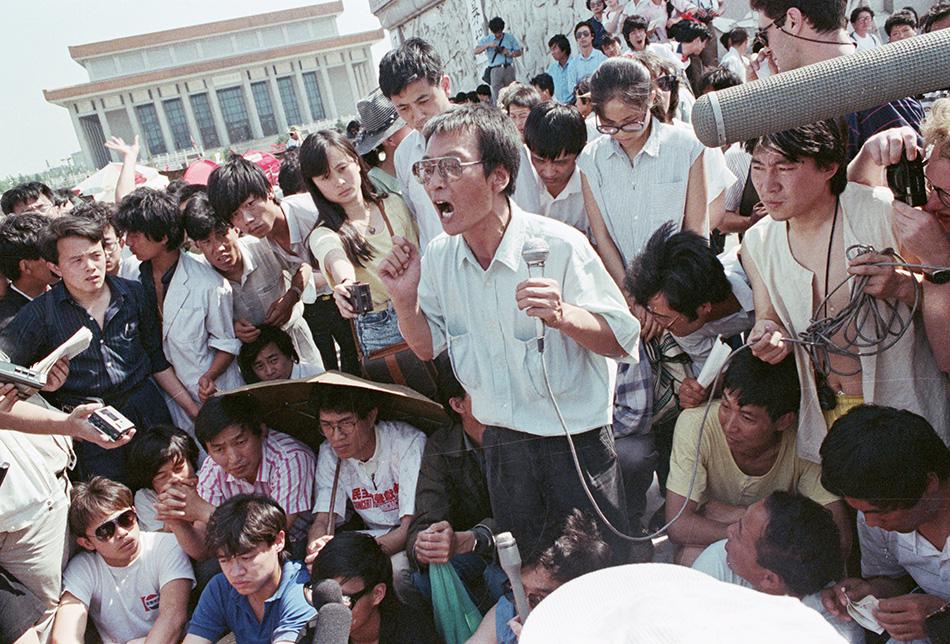
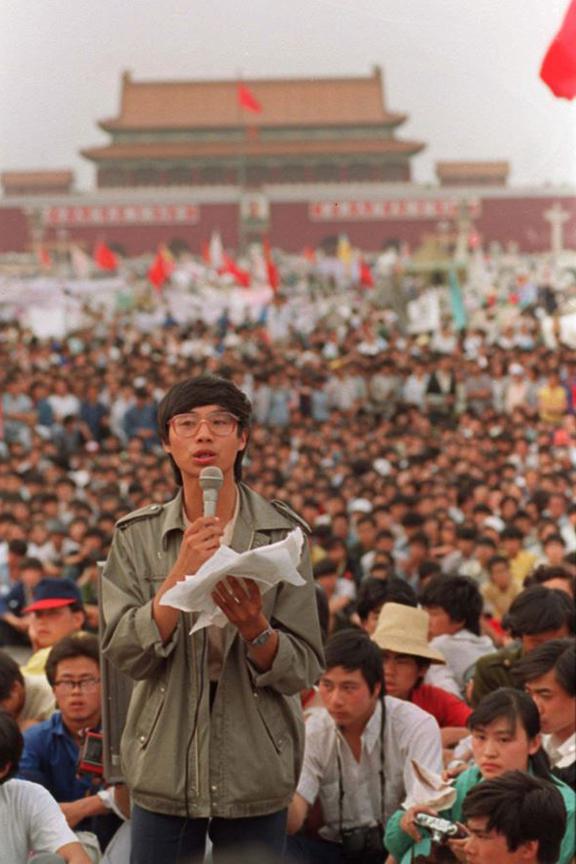
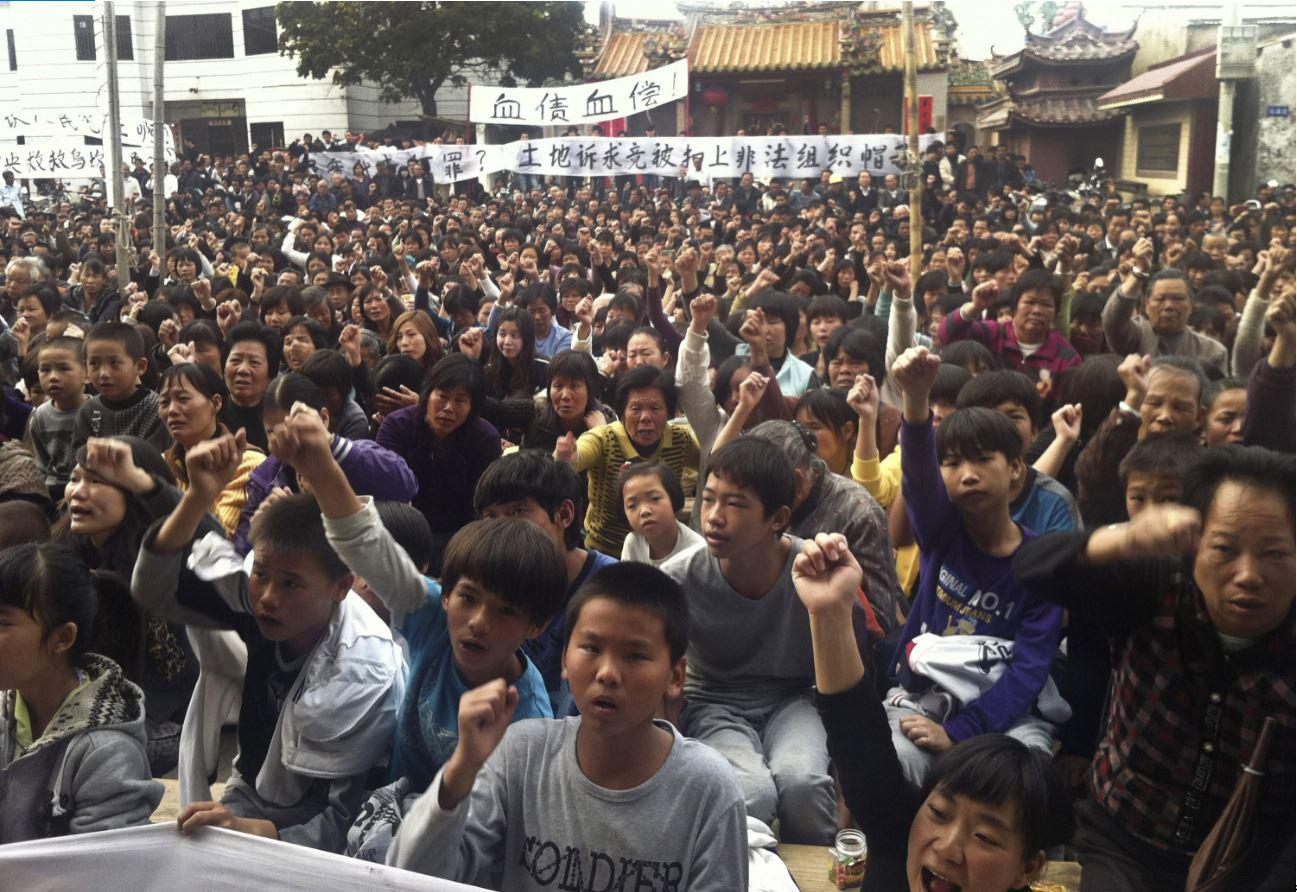
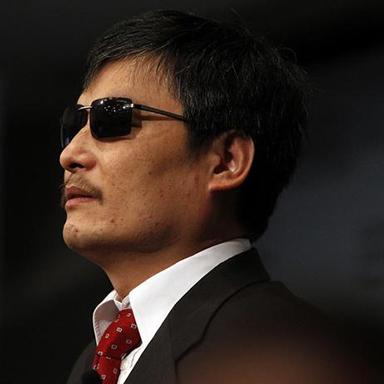
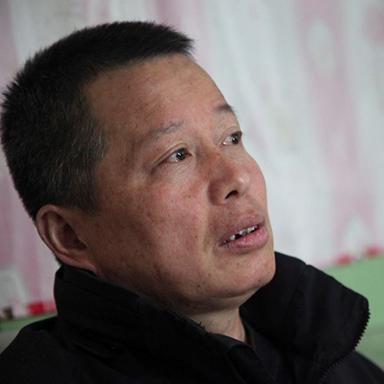
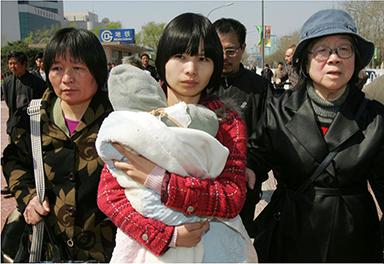
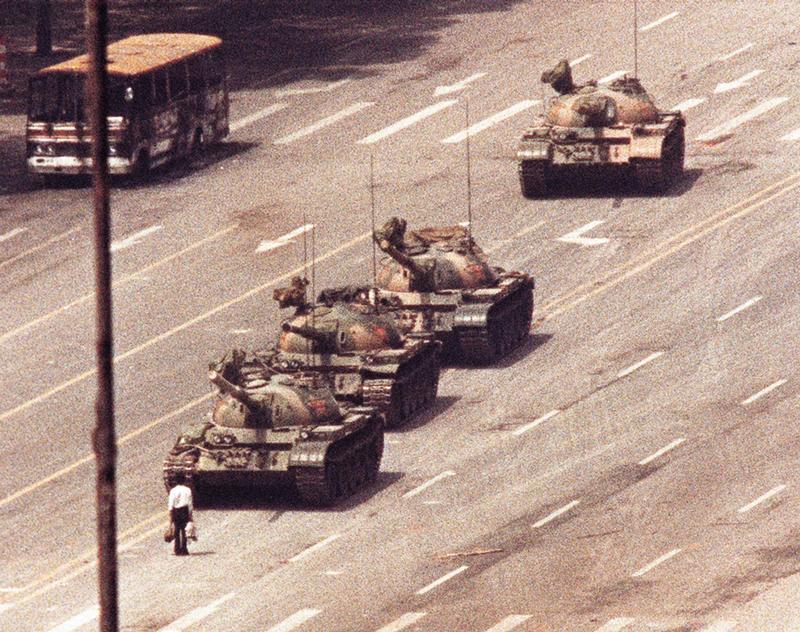
In the three decades since the Tiananmen Massacre, the Chinese government’s killing of an untold number of peaceful pro-democracy demonstrators around June 4, 1989, human rights activists in China have made tremendous sacrifices in the pursuit of a more just and free country.
Many have been arbitrarily detained, imprisoned, or forcibly disappeared. Some died while in state custody. Some live with permanent physical ailments and mental trauma as a result of torture by the authorities. Some, after suffering years of unrelenting harassment, fled China.
Chinese Communist Party (CCP) leaders saw the protests at Beijing’s Tiananmen Square and across major cities in the spring of 1989 as an existential threat to their rule. One lesson the CCP took away from the event was to nip any independent activism and peaceful criticism in the bud.
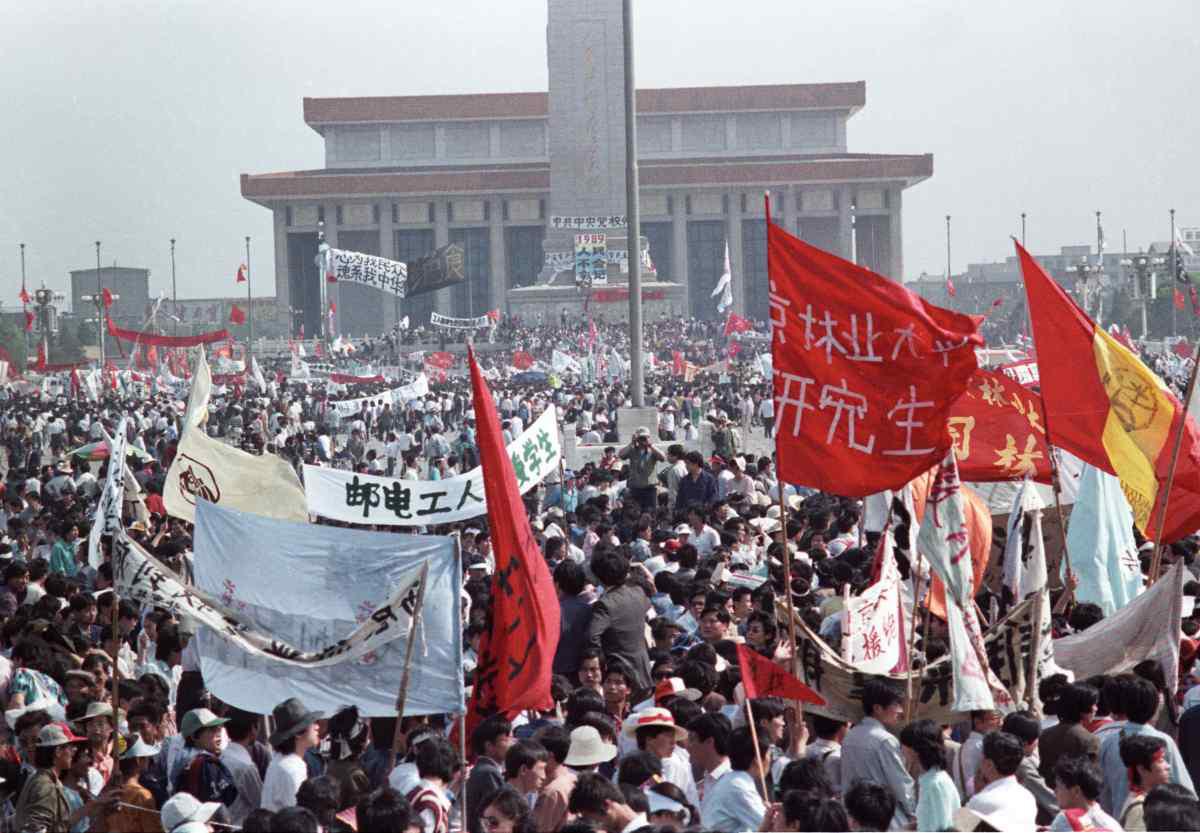
People fill Tiananmen Square in front of the Mausoleum of late Chinese chairman Mao Zedong and the Monument to the People’s Heroes in Beijing, on May 17, 1989.
For the past 30 years, Human Rights Watch has continually documented the Chinese government’s repression of activists. We covered in detail the arrests and trials of Tiananmen participants; released a report jointly with the nongovernmental organization Human Rights in China that revealed the names of 522 Tiananmen prisoners that few had known existed; and published multiple interviews with protest participants. Human Rights Watch also consistently called for the Chinese government to address the human rights violations related to the crackdown and hold those officials legally accountable for the killings.
Human Rights Watch marks this somber 30th anniversary of the Tiananmen Massacre by honoring those across the years who have struggled to stand up to power and advance the rule of law, freedom of expression, and religious freedom in China.
Pre-Beijing Olympics: Lengthy Sentences for Organizing Political Parties, Rise of the Rights Defense Movement
Initially, in the wake of global condemnation following Tiananmen, Beijing made some efforts to present a less brutal posture to the world. In the 1990s and early 2000s, as Beijing sought to court foreign investment, gain entry to the World Trade Organization, and win the bid to host the 2008 Summer Olympics, it gradually loosened control of some aspects of society. Government decisions such as releasing prominent political dissidents Wei Jingsheng and Wang Dan to exile in 1997 and 1998 respectively, removing the provision on “counterrevolution” from the Criminal Law in 1997, and signing– though never ratifying – the International Covenant on Civil and Political Rights in 1998 filled civil society activists with optimism.
Yet the CCP’s zero tolerance toward organized political opposition remained unmistakably clear. When some veterans of the 1989 demonstrations attempted to form political parties, their efforts were met with lengthy prison sentences. In 1993, activist Liu Wensheng was handed a 10-year sentence for organizing the China Social Democratic Party. In 1994, democracy activist Hu Shigen was sentenced to 20 years for trying to establish the China Freedom and Democracy Party.
Post-Beijing Olympics: Crackdowns on Charter 08, Sichuan Earthquake Investigations, ‘Jasmine Revolution’
In the spring of 2008, prominent writer Liu Xiaobo and others drafted Charter 08, an online petition urging China’s leadership to put human rights, democracy, and the rule of law at the core of the Chinese political system. The charter, an earnest effort by activists and intellectuals to rally the society around the common cause of human rights, was signed by more than 300 people from a cross-section of society, and by several prominent figures including retired party officials and former newspaper editors.
Video
Liu Xiaobo – Nobel Peace Laureate
Liu Xiaobo, one of the most outspoken critics of the Chinese government, was sentenced to 11 years in prison in 2009 for his involvement with Charter ’08, a manifesto calling for political reforms in China. Liu was awarded the Nobel Peace Prize in 2010.
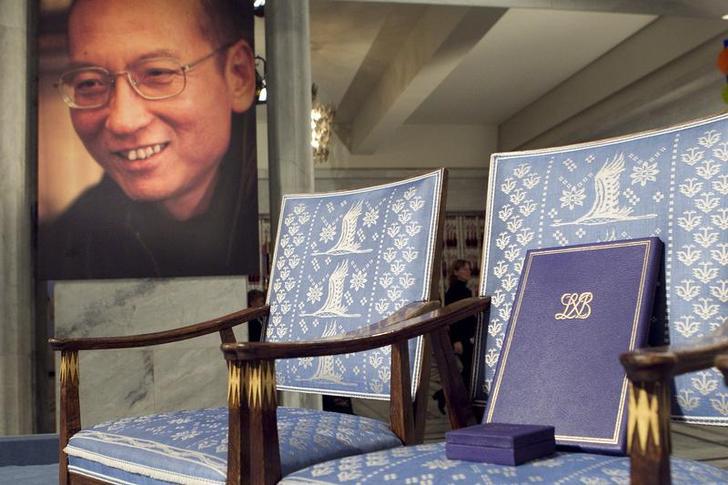
For his role in Charter 08, Liu Xiaobo was arrested in December 2008 and later sentenced to 11 years in prison on charges of “inciting subversion.” Previously, Liu had been imprisoned for 21 months for his role in the Tiananmen Square protests and again in a “re-education-through-labor” camp from 1996 to 1999 for criticizing government policies. In 2010, Liu was awarded the Nobel Peace Prize “for his long and nonviolent struggle for fundamental human rights in China.” An empty chair marked his absence at the awards ceremony in Oslo.
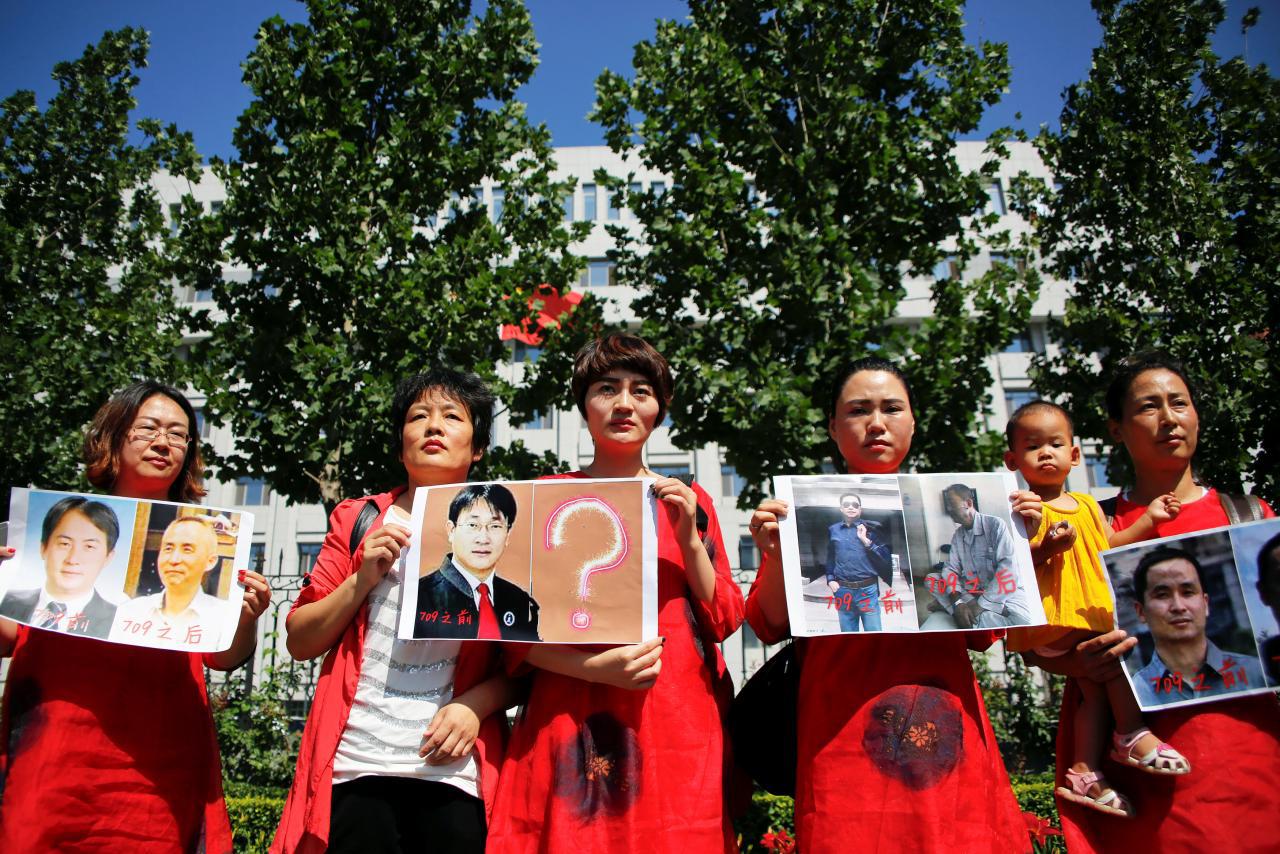
Even as human rights lawyers and activists became increasingly adept at using the legal system to protect human rights, the government continued to signal its no-tolerance policy for outspoken political dissent through sham prosecutions. In December 2011, courts in Guizhou and Sichuan provinces sentenced pro-democracy activists Chen Xi and Chen Wei to 10 and 9-year prison term respectively for “inciting subversion of state power.” The convictions were based on articles they had published on various websites criticizing China’s one-party rule.
Xi Era: Clampdowns on Rights Defense Movement, Independent News Websites, Minority Rights
In November 2012, Xi Jinping ascended to power as general secretary of the CCP. His tenure as China’s top leader has been marked by ever-increasing control of all aspects of society and harsh crackdowns on human rights activism.
In July 2013, authorities arrested Xu Zhiyong, a prominent rights activist and co-founder of the New Citizen Movement, an initiative to develop civil society in China within the confines of the one-party political system. Xu was later sentenced to four years in prison.
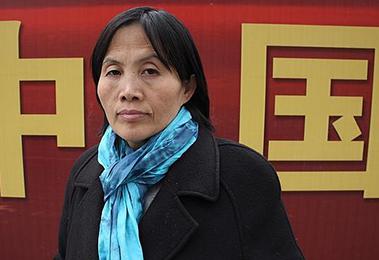
In March 2014, longtime activist Cao Shunli died in a hospital in Beijing, a month after being transferred from a detention center when she fell into a coma. Cao was arbitrarily detained by police at the Beijing Airport in September 2013, while trying to leave to participate in a training session on human rights at the United Nations in Geneva.
In April 2014, the Beijing police detained veteran journalist Gao Yu for “illegally obtaining” “Document No. 9,” an internal Communist Party document warning its members against “seven perils” including “universal values,” civil society, and a free press. Gao was later sentenced to seven years in prison for leaking state secrets. The harsh crackdowns on free speech following the issuance of the document in April 2013 suggested its significance in the CCP’s ideological trajectory.
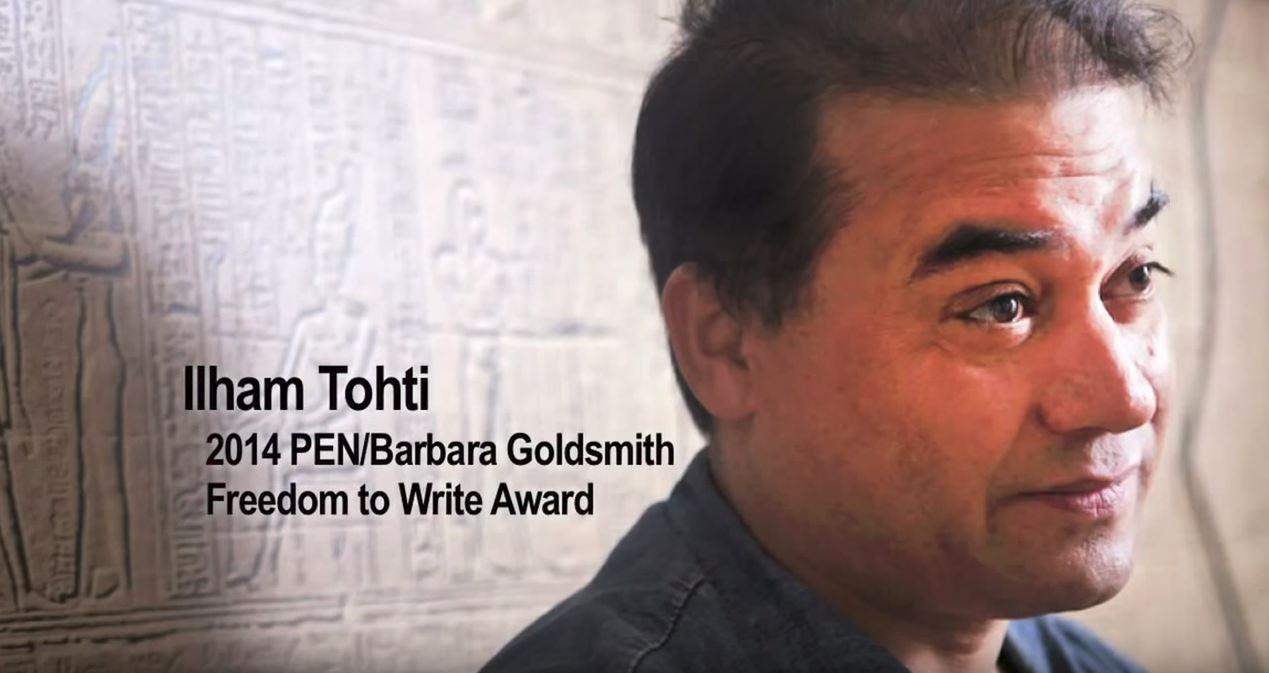
Beijing’s ruthlessness on human rights activism was particularly evident in its treatment of activists from ethnic and religious minority groups. In September 2014, Ilham Tohti, a highly-regarded ethnic Uyghur economist and peaceful critic of the government, was sentenced to life in prison after being convicted of “separatism” – an approach he had explicitly rejected. He had worked for two decades to foster dialogue and understanding between Uyghurs and Han Chinese, and sought reconciliation based on a respect for Uyghur culture, which has been subject to severe repression.
Video
China Change: Ilham Tohti Documentary
Ilham Tohti, a professor at Minzu University in Beijing and the foremost Uighur public intellectual in the People’s Republic of China, was sentenced to life in prison in September 2014 for advocating basic economic, cultural, religious and political rights for the Uighur people.
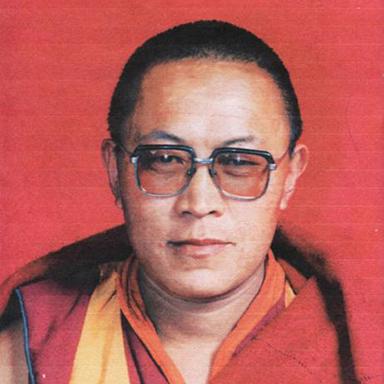
In July 2015, Tenzin Delek Rinopche, a Tibetan Buddhist monk, known throughout the Tibetan community for his work building schools, a monastery, and an orphanage, died in a Sichuan prison after reportedly being tortured. He had been given a suspended death sentence in 2002, commuted in 2005 to life in prison, for his alleged role in a bombing earlier that year. He was denied a lawyer of his choice, not allowed access to the evidence against him, and tried in secret.
In March 2015, authorities detained five feminists for 37 days on charge of “picking quarrels” after they planned to post signs and distribute leaflets to raise awareness about sexual harassment, sparking a widespread international outcry. In the ensuing years, women’s rights activists continued to face police harassment, intimidation, and forced eviction.
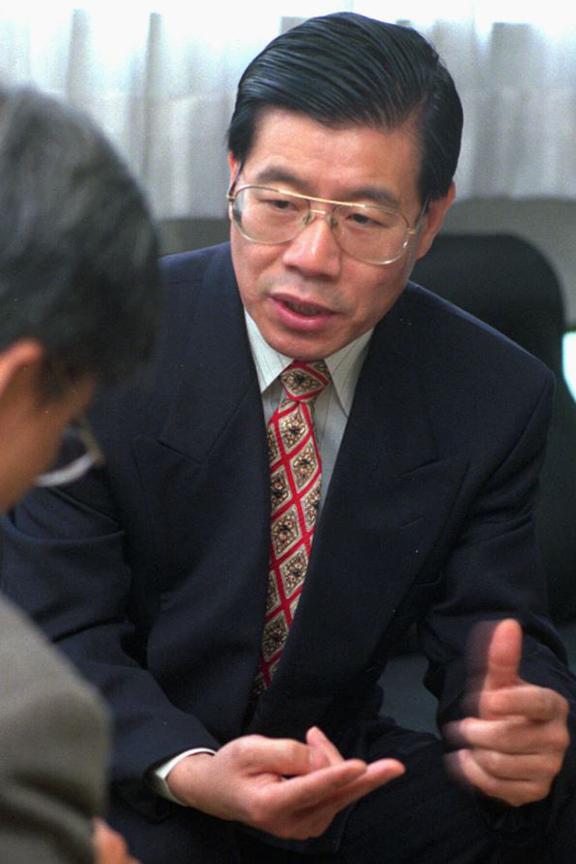
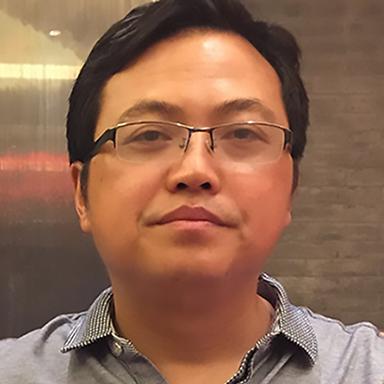
Liu Feiyue.Source: Chinese Human Rights Defenders
On July 13, 2017, the Chinese human rights community was stricken by a profound loss: At the age of 61 and after serving nearly 9 years of his 11-year prison sentence for “inciting subversion,” Nobel Peace laurate Liu Xiaobo died from complications of liver cancer while being guarded by state security. To many who have worked to improve human rights in China, Liu’s death marked dark times for dissent.
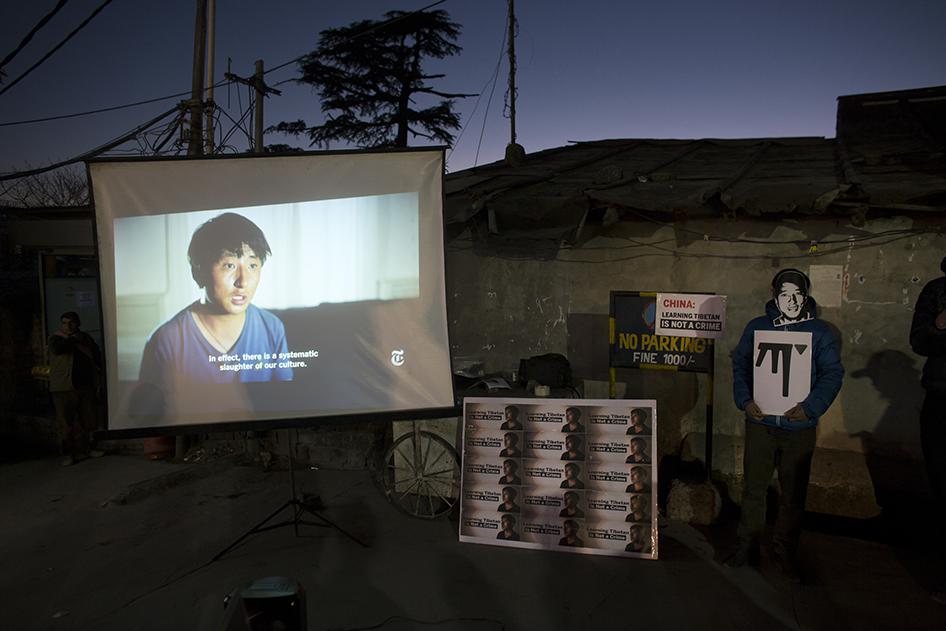
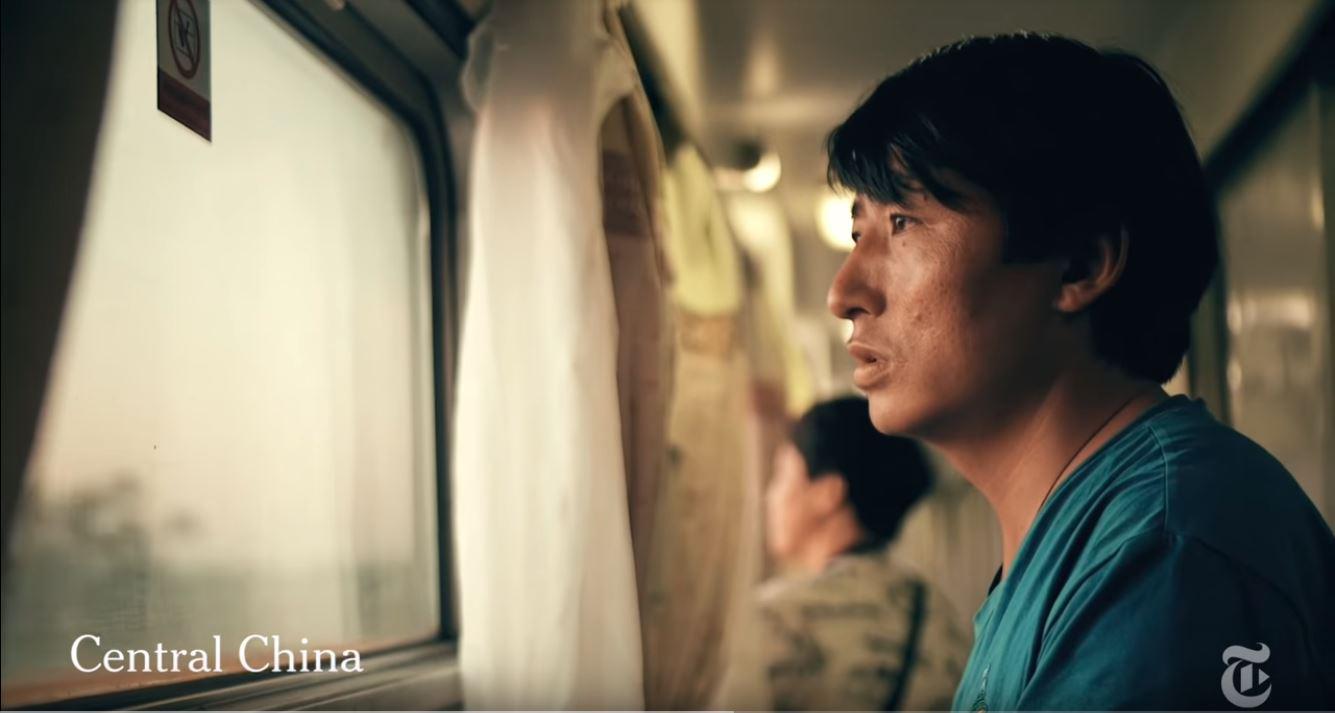
In May 2018, Chinese authorities sentenced Tibetan language rights activist Tashi Wangchuk to five years for “inciting separatism.” Tashi Wangchuk was detained in January 2016 after appearing in a New York Times video in which he advocated for the rights of Tibetans to learn and study in their mother tongue.
Video
Tashi Wangchuk: A Tibetan’s Journey for Justice | Times Documentary
Worried about the erosion of Tibetan culture and language, one man takes his concerns to Beijing, hoping media coverage and the courts can reverse what he sees as a systematic eradication.
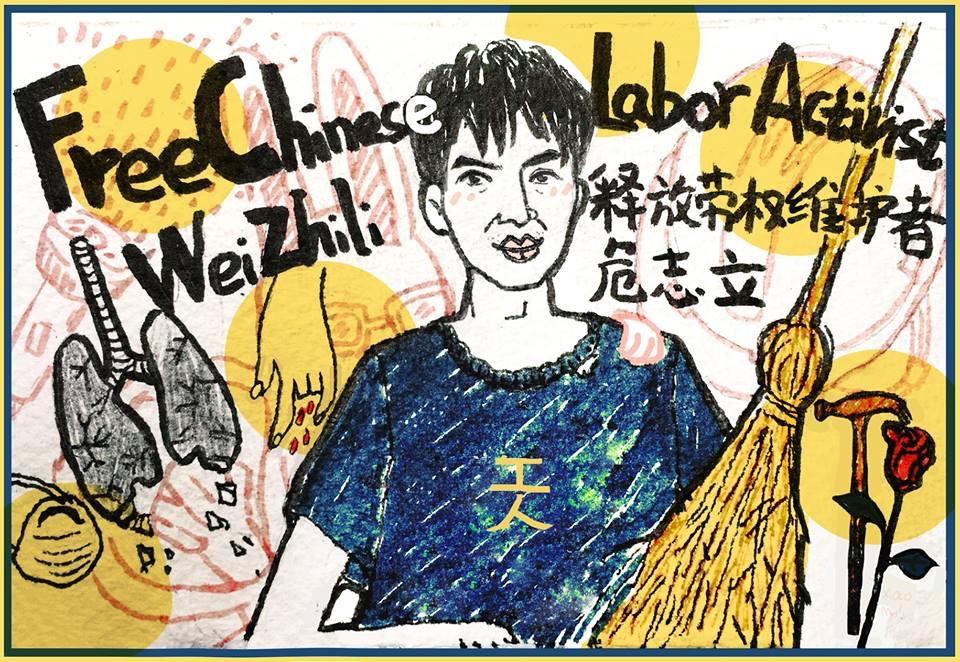
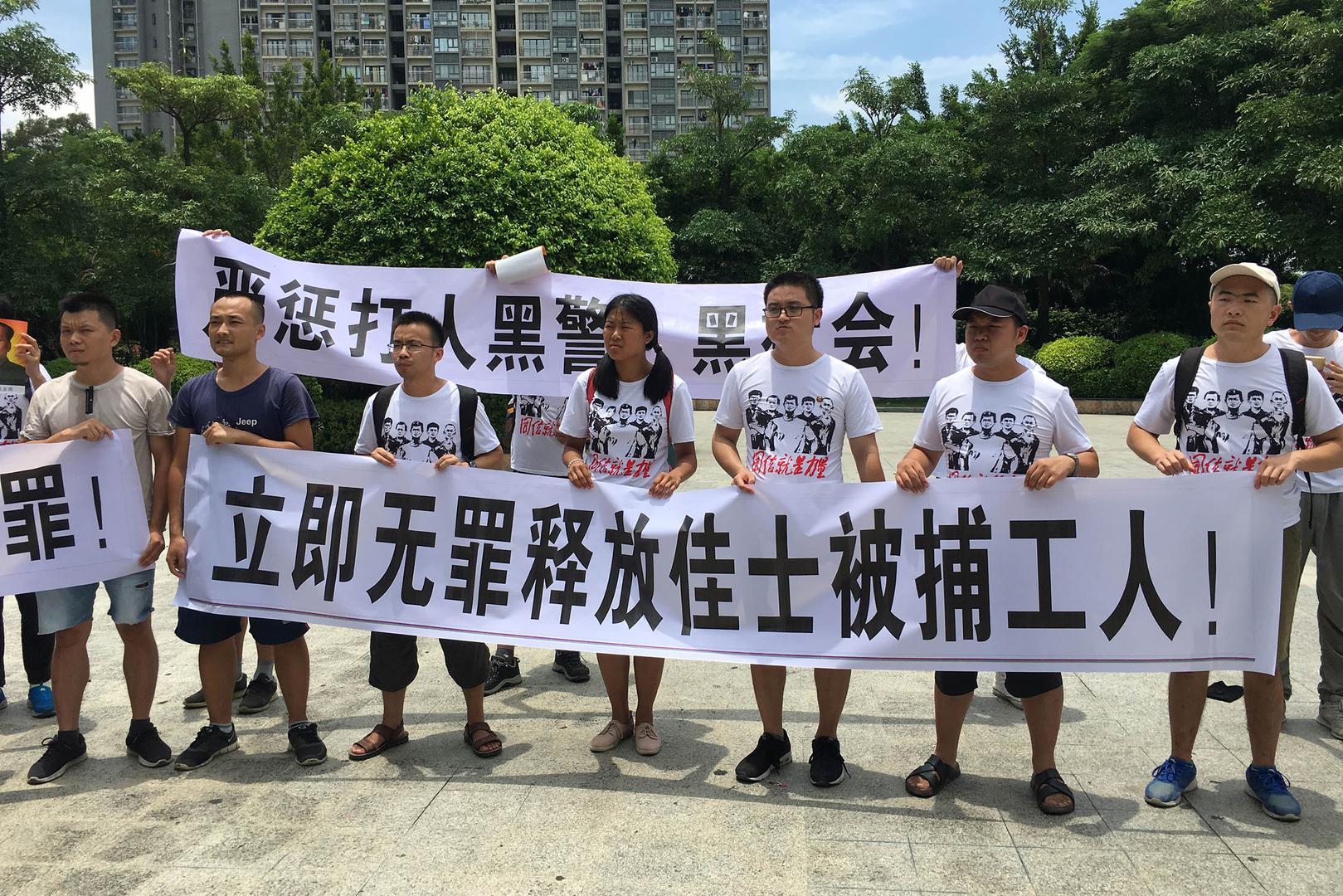
Starting in mid-2018, authorities launched a national crackdown on labor activism, detaining dozens of workers and student activists in several cities, including Yue Xin, a graduate of Peking University who had been known for her activism in China’s #MeToo movement, and Wei Zhili, an editor of the workers’ rights news website iLabour.
The Fight Goes On
Human rights activists are now enduring their worst persecution since peaceful protesters took to Tiananmen Square and streets across China in 1989. Yet, despite the suffocating political environment, the fight for a democratic, rights-respecting China continues. The spirit of freedom lives on, passing from one generation to the next.
While 64-year-old Qin Yongmin is serving his 13-year sentence in a Wuhan jail for “subverting state power,” 22-year-old Yue Xin is being detained in an undisclosed location for defending worker’s rights. In October 2016, after more than 27 years behind bars, Miao Deshun, a former factory worker and the last prisoner held for the Tiananmen Square protests, was released. According to fellow prisoners, Miao had refused to admit to any wrongdoing, and as a result, was tortured and periodically put in solitary confinement.
As prominent activist Hu Jia said, “I won’t change, because this is based on feeling. I don’t believe the Chinese Communist Party is made of iron. I have never lost faith. I don’t think the power of evil can last forever. It won’t.” Every year ahead of the Tiananmen Anniversary, Hu is sent on an enforced “vacation” outside of Beijing, during which he is closely monitored. It is one of the ways authorities silence dissent during holidays and political events – and yet, the dissenters will not be silenced.
Human Rights Watch will continue to speak out against abuses pertaining to the Tiananmen Massacre until those responsible for the killings and persecutions are held to account.